

Panama’s New Food Regulatory Framework: What You Need to Know and How It Impacts Your Regional Business
in COMPLIANCEIf Panama represents an anchor market in your LATAM distribution network and drives a meaningful share of your export revenue, your regional margins are now facing a new operational variable.
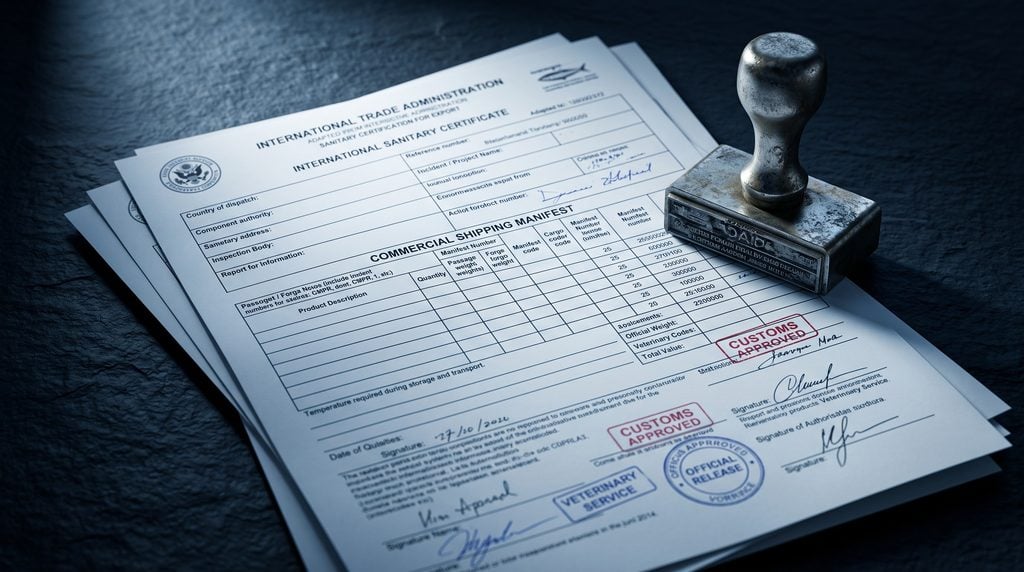
The Panamanian government has enacted Executive Decrees No. 4 and No. 8 under the Ministry of Health, fundamentally overhauling how food products, raw materials, and manufacturing facilities are cleared for import. What used to be handled with routine administrative flexibility is now governed by rigid digital protocols and an itemized government fee schedule that impacts every container hitting the water.
Key Operational Changes
- Strict 6-Month Limit on Old Packaging: If you update your label artwork or packaging design, there is now a strict maximum window of six months to exhaust your remaining inventory of old packaging, requiring you to formally declare your existing inventory numbers to obtain government authorization.
- Tighter Rules on Product Grouping: You can no longer bundle certain product variations under a single registration. Bone-in meat cuts cannot be grouped with boneless cuts. Animal viscera and offal cannot be grouped together. Rice cannot mix quality tiers under one filing.
- Raw Materials Must Be Pre-Registered: Food ingredients, industrial additives, and raw materials must be registered in the system before the shipment arrives in the country, accompanied by an official origin sanitary certificate.
- Clear Procedures for Barcode Releases: Transferring or liberating a barcode (UPC/EAN) or canceling an active registration now requires a formal filing process, capped at a maximum of 10 products per application.
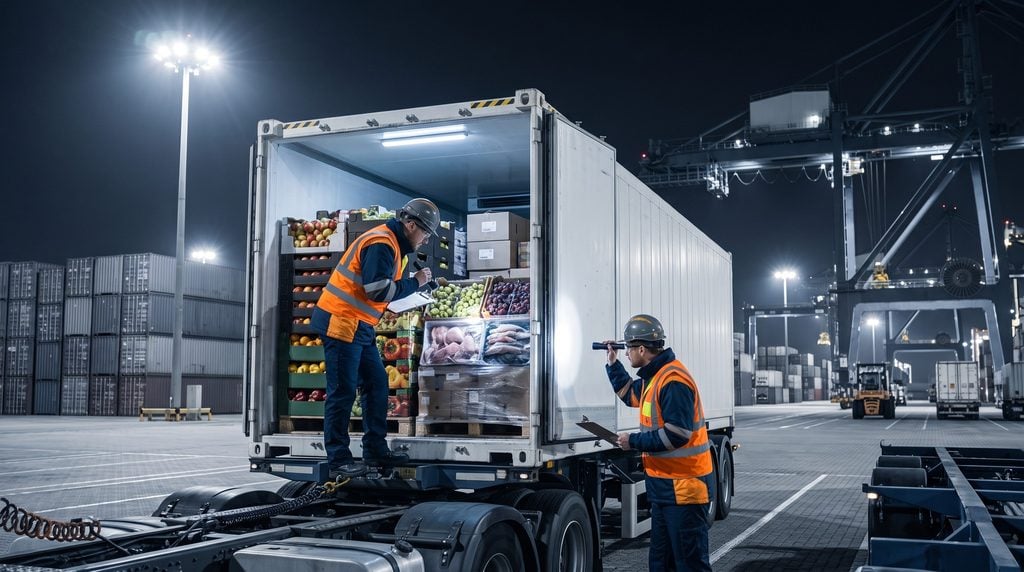
- Importer Absorbs Inspection and Hold Costs: All expenses tied to mandatory laboratory testing, returning cargo to origin, or destroying non-compliant food products must be paid for directly by the commercial importer.
| Service | Official Government Fee (USD) | What It Covers |
|---|---|---|
| Foreign Plant Authorization | $450.00 | Initial application to approve an origin manufacturing plant (Seafood, dairy, meat products) |
| Platform Inclusion | $25.00 | Adding an approved plant, product, or tariff code into the system |
| Product Sanitary Registration | $25.00 | New registration or renewal per imported food product |
| Import Notification | $25.00 | Per-product fee charged at the time of import |
| Registration Updates | $25.00 | Updating formulas, artwork, or packaging specs on active food product registrations. |
| Technical Corrections | $10.00 | Correcting administrative errors or clerical data |
| Barcode Release or Change | $20.00 | Liberating or reassigning a UPC/EAN code |
| Packaging Exhaustion Approval | $20.00 | Authorization to use up existing label inventory |
| Transfer of Registration Holder | $150.00 | Transferring ownership of up to 10 imported registrations |
| Raw Material Registration | $25.00 | Pre-registering industrial ingredients before shipping |
| Container Border Inspection | $50.00 | Official physical or document inspection per container at port |
| Retained Cargo Inspection | $100.00 | On-site official inspection if cargo gets stopped |
| Release of Retained Cargo | $50.00 | Official sign-off to release a flagged container |
| Warehouse Custody / Hold | $100.00+ | Flat retention fee, plus $20 per additional health region |
(Note: These are direct government fees established by the Panamanian authorities).

Where Witfoodx Steps In
Staying ahead of shifting import regulations across Central America and the Caribbean can quickly turn into a full-time operational headache.
Witfoodx stays up to date and in constant communication with government health entities across LATAM, having built a solid reputation and transparent working relationships with these agencies over years of direct collaboration. We operate as a direct extension of your internal team—handling technical filings, auditing documentation before containers leave origin, and coordinating directly with destination authorities.
Panama is a market we know inside and out. Having worked closely alongside the Panamanian Food Agency (APA) for years across plant habilitations, product registrations, and customs clearance, there is no guesswork involved. We know the exact administrative channels, the current procedural requirements, and the specific desks to contact at APA for each service your products require.
By identifying documentation discrepancies, plant renewal horizons, and filing requirements long before your cargo departs origin, we keep your shipments moving smoothly through customs—protecting your business from surprise port holds, unexpected fees, and costly retail launch delays.