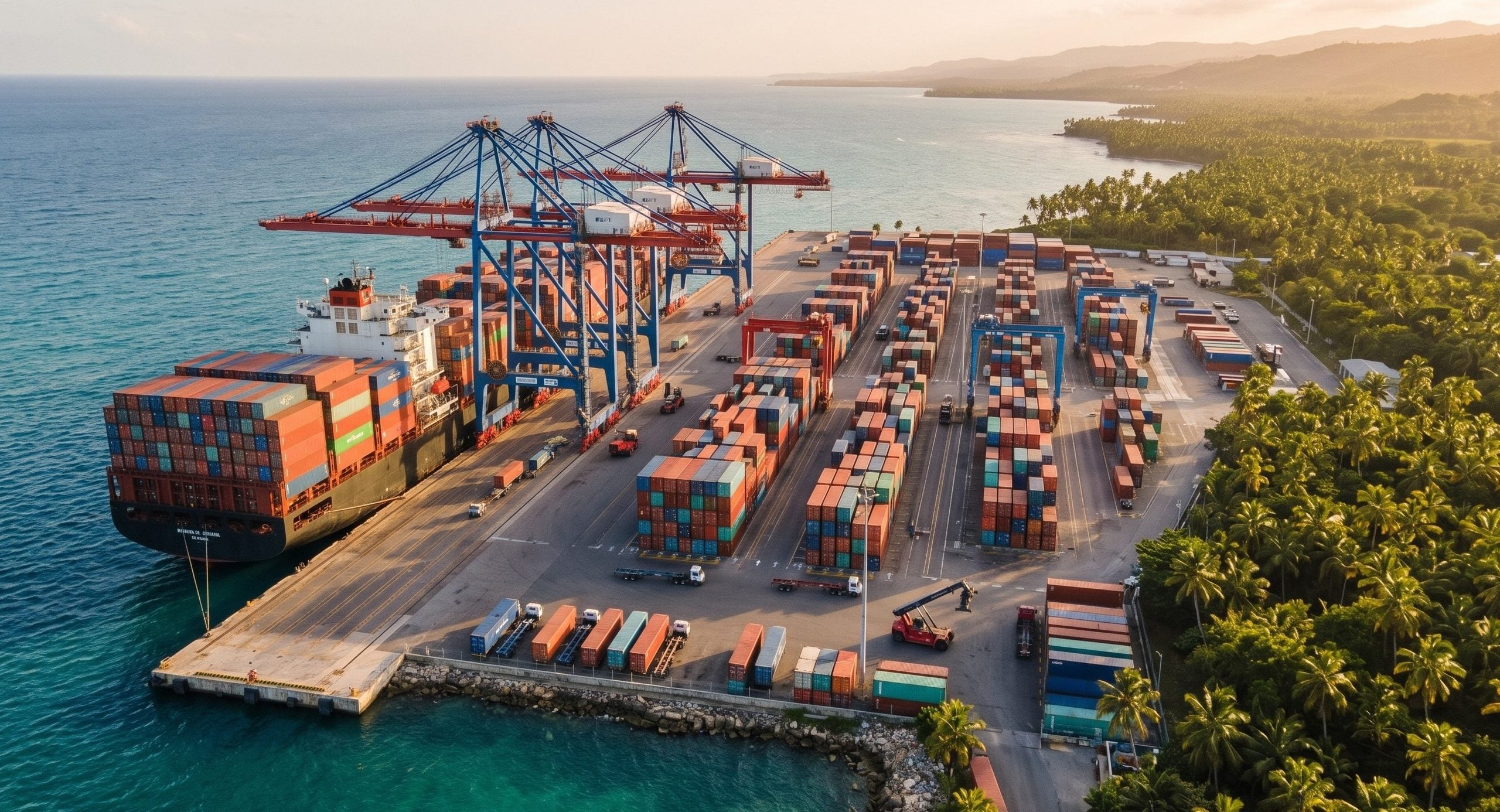
The Dominican Republic has become one of the most important export destinations in the Caribbean for US and international food brands. Its supermarket, tourism and HORECA channels are growing, and more brands are treating the DR as a priority market rather than an add-on.
The regulatory environment is changing too. Enforcement is tightening, customs is adding new checkpoints, and a major labeling change is on the horizon. Here’s what exporters expanding into the DR need to know heading into 2027.
What’s Changing
1. Customs now checks products before they arrive
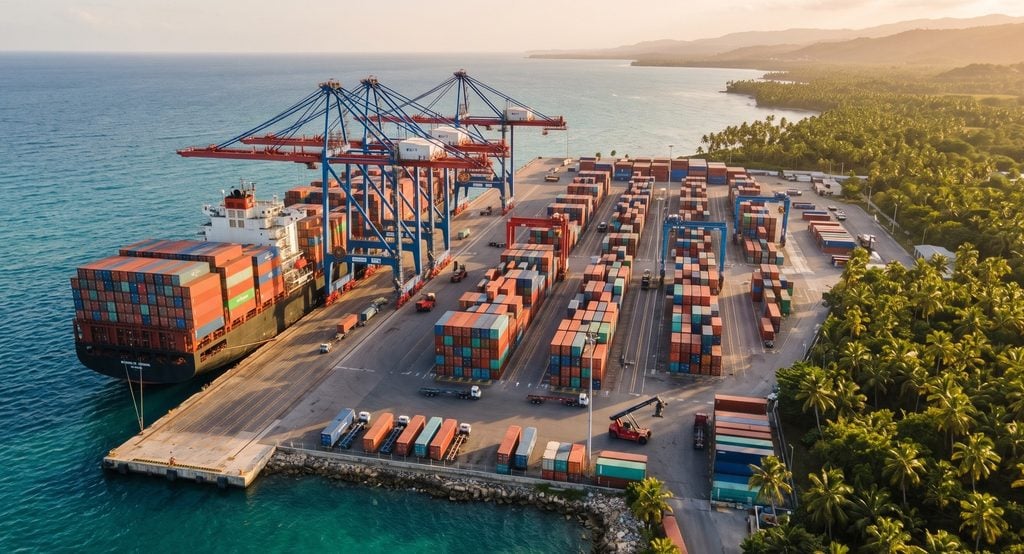
In March 2025, the DR’s customs single window (VUCERD) launched a pre-arrival “no objection” process for prepackaged industrialized foods. Before goods land, the system cross-checks the product’s sanitary registration against its tariff codes, country of origin, quantity and port of entry. The first phase covers cookies, flours and pastas, and more categories are expected to follow.
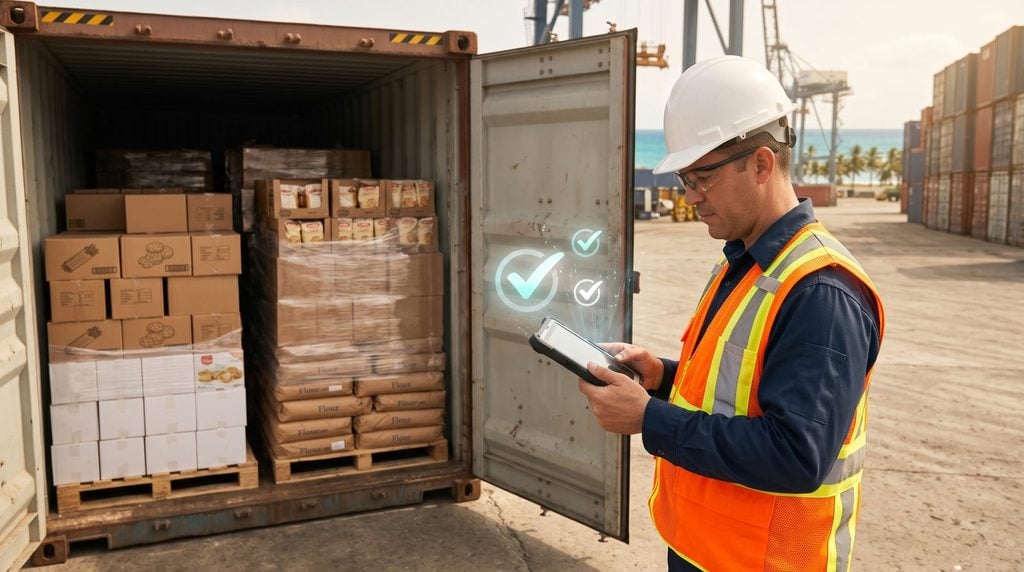
What this means for exporters: compliance is now verified at the border, before the product reaches a shelf. A registration that doesn’t match the shipment’s paperwork exactly can hold a container at port.
2. Enforcement on registration and Spanish labeling is intensifying
In 2026, the DR’s main industry association called for strict enforcement of sanitary registration and Spanish-labeling rules for all products, imported or local. Consumer protection authorities have warned that unregistered products will be pulled from the market. Regulators have also acknowledged that unregistered products in informal retail channels are a concern.
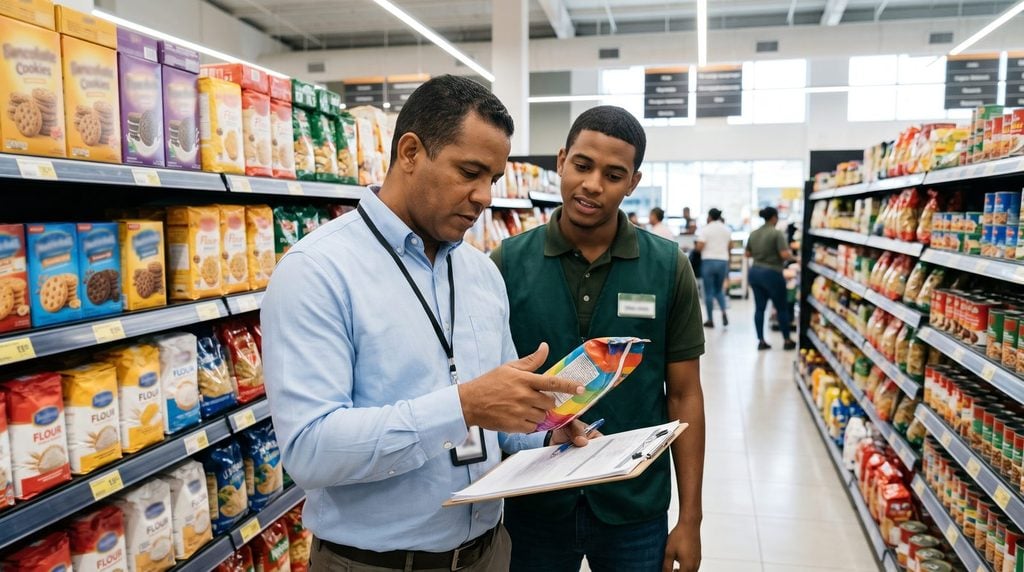
What this means for exporters: for years, gaps in enforcement let some products slip through. That window is closing. Distributors and retailers are under more pressure to carry only fully compliant products, and they will expect their suppliers to deliver them.
3. Front-of-pack warning labels are on the horizon
The Ministry of Public Health has proposed a resolution introducing front-of-pack nutritional warning labels (EFAN): black octagon seals on products high in sugar, sodium or fats, similar to the systems in Mexico, Chile and Colombia. The proposal has drawn strong debate between industry groups and public health coalitions, and its final timeline is still pending.
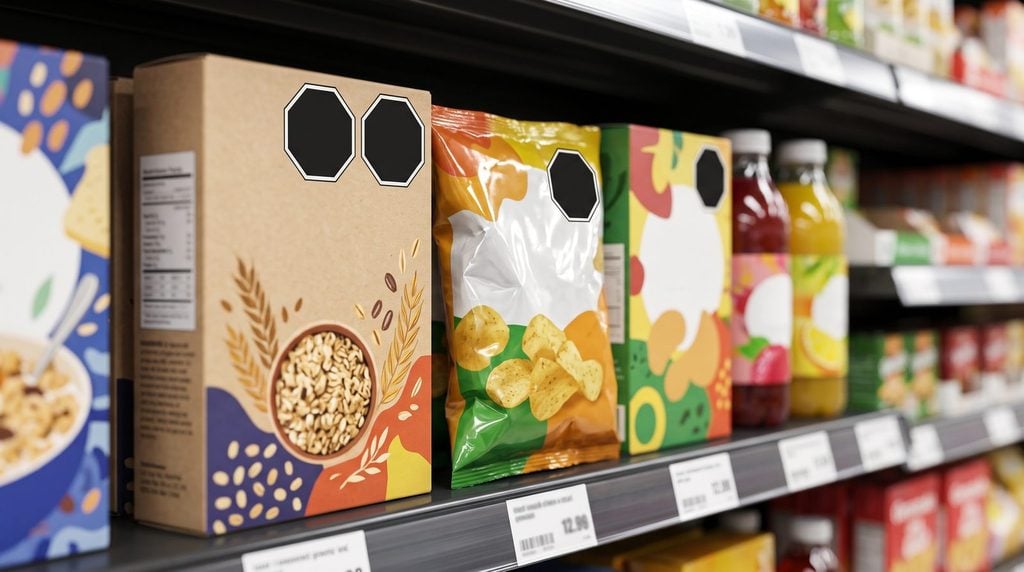
What this means for exporters: if it’s approved, many packaged foods and beverages will need label changes for the DR market. Brands that plan their label strategy now will avoid costly relabeling and stock write-offs later.
4. A regulator in the middle of modernization
DIGEMAPS, the agency responsible for food and beverage registration, was made operationally independent in 2023 and has been modernizing its processes. Parts of the system are now online, but key steps still have to be handled locally and in person. That’s a hybrid model, very different from the fully digital platforms in some neighboring markets.

What this means for exporters: you can’t manage the DR remotely the way you might manage other markets. Having experienced hands on the ground makes the difference between a smooth registration and months of back-and-forth.
Staying Compliant as You Expand in the DR
Every food and beverage product sold in the Dominican Republic needs a valid sanitary registration and a Spanish label that meets national standards. That has always been true. What’s changed is how closely it’s checked: at the port, on the shelf, and soon on the front of the package.

For exporters, that means:
- Getting the registration route right the first time. The DR has more than one path to registration, and choosing the right one for your products and origin affects both timeline and cost.
- Keeping documentation aligned across agencies. Customs, the health authority and your importer all need to see the same information. Mismatches are now caught before the product arrives.
- Preparing labels for what’s coming. Spanish labeling is required today, and front-of-pack warnings may follow. Building a label strategy that covers both protects your investment.
Control How Your Brand Grows in the DR
A registered product is more than a registration. It’s an asset: the foundation that lets your brand build a lasting presence in the Dominican Republic and expand product by product and channel by channel.
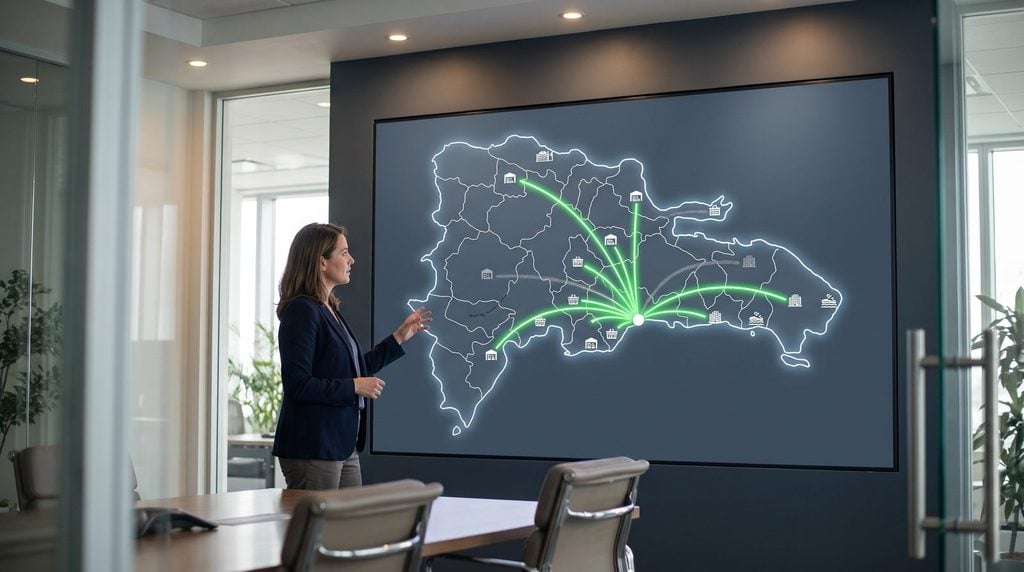
When a registration sits in an importer’s or distributor’s name, that company controls who can bring your product into the country, and your brand’s presence depends on a single relationship. With Witfoodx, your registered product assets are held under our corporation and managed on your behalf, so you keep full control of your brand. You decide which importers can and cannot buy your products, and you can add new importers or open new channels as you grow, without starting over.
Where in-country representation is required, our local legal partners handle the on-the-ground steps while we manage the whole process for you, from the first registration through renewals, label updates and importer changes. See how our regulatory compliance service works.
If the DR is part of your 2027 plans, let’s talk about where your products stand today and what it will take to grow your brand in the market.